
The Learner Management System we built in 23 days for £260
A case study of how Technophobia delivered a fully compliant, regulatory-grade Learner Management System for the South Cumbria Skills Exchange — a system the commercial alternatives quoted £97,500 to £137,500 for. Four React dashboards, nineteen database tables, thirty-one REST API controllers. In daily use today.




UK Based
Support
£260
Hard Costs
277
Milestones
100%
Client Owned
Project · Learner Management System
What the LMS actually does
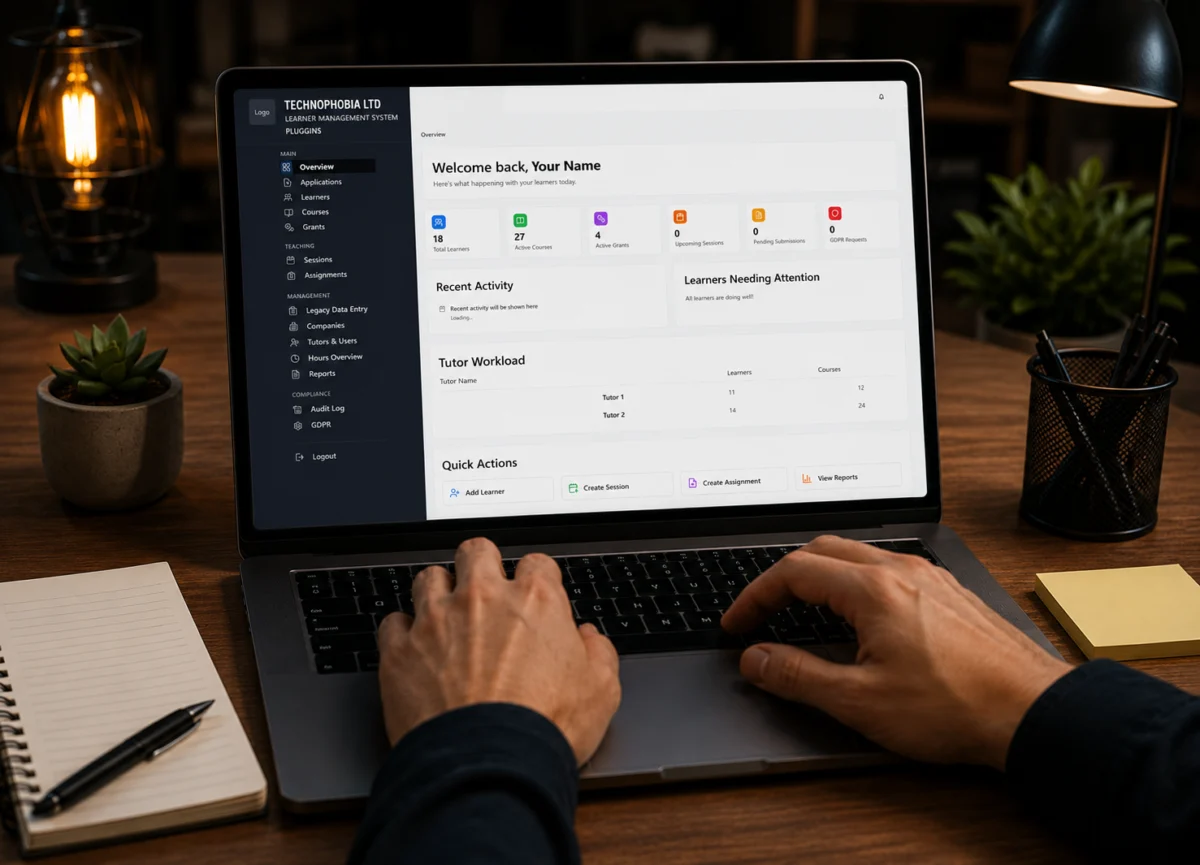
Built for South Cumbria Skills Exchange — operating publicly as Whamos Training and Development CIC — a community interest company delivering funded and commercial training across South Cumbria. The system replaced paper registers, emailed assignments and spreadsheet-based grant tracking with a unified, regulatory-compliant platform.
Four Role-Based Dashboards
Admin, Tutor, Learner and Guardian dashboards — each in React, each with its own workflow, all backed by the same WordPress REST API and audit trail.
Admin, Tutor, Learner and Guardian dashboards — each in React, each with its own workflow, all backed by the same WordPress REST API and audit trail.
ILR-Compliant Reporting
Full Individualised Learner Record fields, DfE submission readiness, planned-end-date tracking, grant-funded hours calculation, audit logs on every data write.
Full Individualised Learner Record fields, DfE submission readiness, planned-end-date tracking, grant-funded hours calculation, audit logs on every data write.
Attendance & Grant Tracking
Real-time tutor attendance via tablet, automatic grant-hour deduction, low-balance alerts when learners approach their funded ceiling.
Real-time tutor attendance via tablet, automatic grant-hour deduction, low-balance alerts when learners approach their funded ceiling.
Assignment Submission & Feedback
Learners submit through their dashboard, tutors mark and feedback in-line, guardians of younger learners see progress without needing to ring the office.
Learners submit through their dashboard, tutors mark and feedback in-line, guardians of younger learners see progress without needing to ring the office.
PDF Invoicing & Email Automation
Course invoices auto-generated as PDFs, payment reconciliation tied to enrolment, automated emails for enrolment, reminders, completion.
Course invoices auto-generated as PDFs, payment reconciliation tied to enrolment, automated emails for enrolment, reminders, completion.
Full Audit Trail
Every data change logged. Who changed what, when, from where. DfE and Ofsted-audit ready from day one — a non-negotiable for grant-funded education.
Every data change logged. Who changed what, when, from where. DfE and Ofsted-audit ready from day one — a non-negotiable for grant-funded education.
Why this project mattered
A small CIC was being held back by manual administration
The Problem
Learner records in spreadsheets. Attendance on paper, transferred manually. Grant hours calculated by hand. Every save-over or missed entry was financial risk.
Learner records in spreadsheets. Attendance on paper, transferred manually. Grant hours calculated by hand. Every save-over or missed entry was financial risk.
The Constraint
Commercial alternatives — MAYTAS, Tribal, ProSolution — would consume a significant portion of a small CIC's annual budget, before customisation or support.
Commercial alternatives — MAYTAS, Tribal, ProSolution — would consume a significant portion of a small CIC's annual budget, before customisation or support.
The Decision
Build, not buy. Use AI-assisted development with the discipline of a senior engineering team. Treat it as a product, not a spreadsheet replacement.
Build, not buy. Use AI-assisted development with the discipline of a senior engineering team. Treat it as a product, not a spreadsheet replacement.
The Outcome
Production system in daily use. Admin time cut by more than half. Client described it as 'exactly what she had asked for, with usability and features that impressed her.'
Production system in daily use. Admin time cut by more than half. Client described it as 'exactly what she had asked for, with usability and features that impressed her.'
The architecture
WordPress plugin. React frontend. PHP REST API. Custom database.
The LMS runs as a custom WordPress plugin. The backend is a PHP REST API exposing thirty-one controllers — learners, tutors, courses, sessions, attendance, assignments, grants, invoices, audit logs, ILR fields, user roles, and more. The frontend is four separate React applications, each a different dashboard, each consuming the same API.
Behind the API sit nineteen custom database tables. Learners, courses, sessions, attendance, assignments, feedback, grants, invoices, audit log entries, role assignments. Every table has a migration file, every migration is versioned, every schema change is reproducible. The complete codebase is owned outright by the South Cumbria Skills Exchange — no SaaS subscription, no vendor lock-in, no third-party data exposure.
Behind the API sit nineteen custom database tables. Learners, courses, sessions, attendance, assignments, feedback, grants, invoices, audit log entries, role assignments. Every table has a migration file, every migration is versioned, every schema change is reproducible. The complete codebase is owned outright by the South Cumbria Skills Exchange — no SaaS subscription, no vendor lock-in, no third-party data exposure.
The methodology
Sandwich prompts, project files, and Wilson — the AI development partner
The build used a layered methodology documented in detail in the book 'Building Without Code'. The core elements: a 2,000-line Project File acting as Wilson's (GitHub Copilot's) external memory; sandwich prompts pairing Team Brief, Task, and Restraints; milestone-based journals with file-level change tracking; and a strict separation between architectural thinking (done with Claude) and code execution (done with Wilson).
The result was 277 documented milestones across 23 calendar days. Every milestone has a journal entry recording what was done, which files changed, what was tested, what the commit hash was, and what the deployment commands were. The audit trail was not added retrospectively — it was the methodology itself.
The result was 277 documented milestones across 23 calendar days. Every milestone has a journal entry recording what was done, which files changed, what was tested, what the commit hash was, and what the deployment commands were. The audit trail was not added retrospectively — it was the methodology itself.
Compliance built in, not bolted on
ESFA, DfE, Ofsted and GDPR — designed in from day one
Grant-funded education is one of the most record-intensive industries in the UK. A missed attendance entry or an unrecorded ILR field can mean the difference between claiming a full course fee and being asked to repay it. We designed the LMS with that reality in mind from the first prompt.
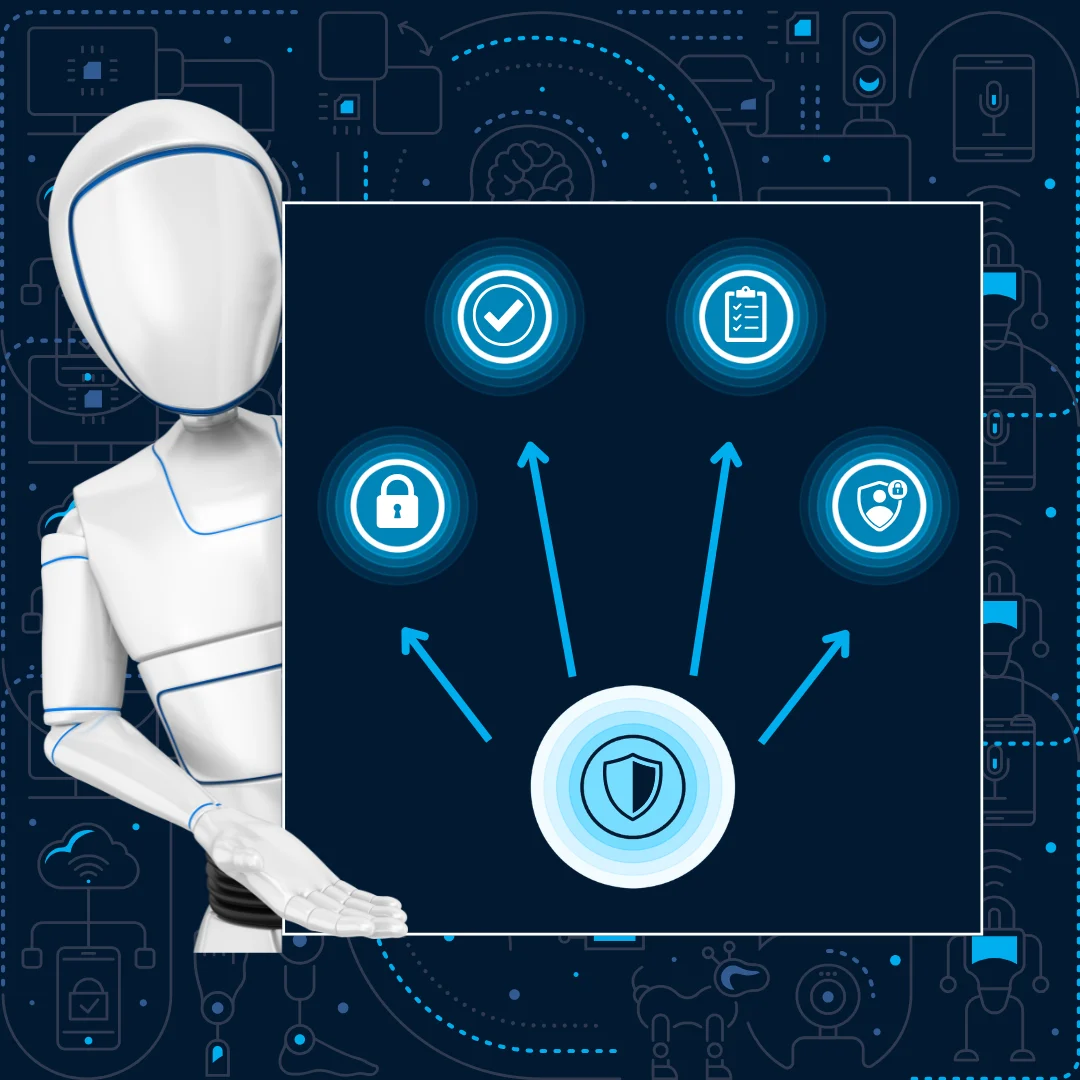
Every API endpoint has three checks: authentication, capability and scope. No user PII ever appears in logs, errors, console output or sync payloads. Every data write creates an audit log entry — automatically, at the model layer, not relying on developer discipline at the route layer. ILR fields are validated at the database level, not just in the UI. Guardian access is scoped strictly to the learners they are linked to, with the rule enforced at every query. DfE and Ofsted audits became a matter of running a report, not a matter of panic.
Every API endpoint has three checks: authentication, capability and scope. No user PII ever appears in logs, errors, console output or sync payloads. Every data write creates an audit log entry — automatically, at the model layer, not relying on developer discipline at the route layer. ILR fields are validated at the database level, not just in the UI. Guardian access is scoped strictly to the learners they are linked to, with the rule enforced at every query. DfE and Ofsted audits became a matter of running a report, not a matter of panic.
The timeline
From the first prompt to a working system in 23 calendar days
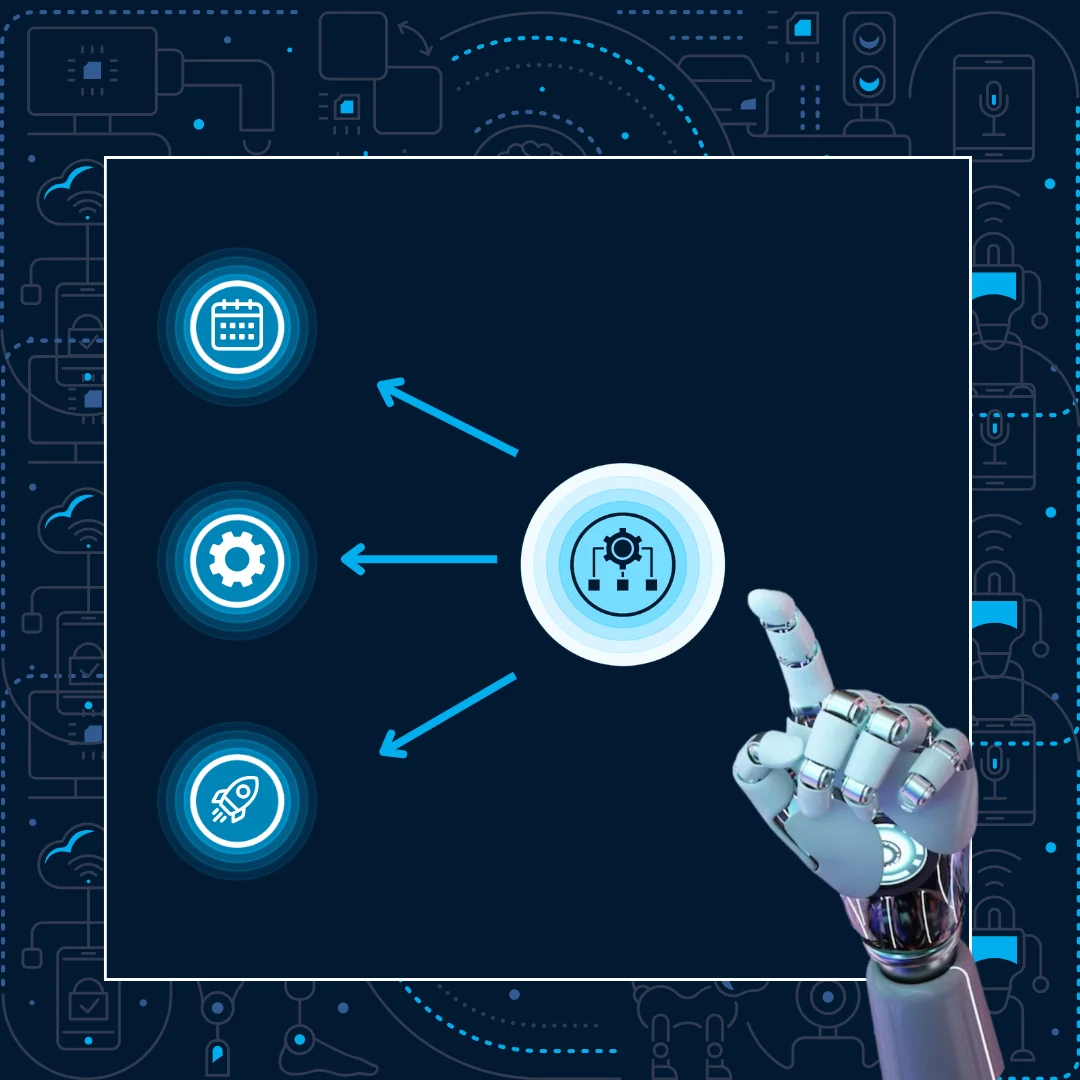
Day 1, 9th February 2026: a planning day with Claude, producing the 2,000-line Project File. Day 2: Wilson opened the repository and began the first milestone. By day 4 the core data layer was in place. By day 10 the Admin dashboard handled real users. By day 18 all four dashboards were live and the legacy data inclusion work began. By day 23 the system was in production use at the South Cumbria Skills Exchange.
That timeline is not optimistic. It is documented. Every milestone has a journal entry with a commit hash. Anyone could verify it from the repository history alone. Against the traditional estimate of four to six months, the project ran for the same duration again after the planned milestones to add features that emerged from real use — scope additions worth more than the base specification.
That timeline is not optimistic. It is documented. Every milestone has a journal entry with a commit hash. Anyone could verify it from the repository history alone. Against the traditional estimate of four to six months, the project ran for the same duration again after the planned milestones to add features that emerged from real use — scope additions worth more than the base specification.
The cost breakdown
£260 in hard costs. 288 hours of time. Against £97k+ traditional.
What this proves
The same methodology applies to any custom business system
AI subscriptions during the build period: roughly £250. VPS hosting amortised over the build: £10. Total hard costs: approximately £260.
Eighteen working days, averaging sixteen hours per day: 288 hours of human time. Valued at a senior developer's day rate of £450, that puts the human-time value at £8,100 — a total project cost of around £8,360. Compare that to the traditional estimate: a development team of two to four engineers over four to six months, conservatively £97,500 to £137,500.
Even at the high estimate of human time, the project came in at six percent of the conventional cost. The work happened in front of the TV, in steady ten-to-fifteen-minute Wilson sessions with prompts written in advance. Not in a state of deep concentration for sixteen hours, but in steady, low-level engagement punctuated by bursts of focused prompt-writing.
Eighteen working days, averaging sixteen hours per day: 288 hours of human time. Valued at a senior developer's day rate of £450, that puts the human-time value at £8,100 — a total project cost of around £8,360. Compare that to the traditional estimate: a development team of two to four engineers over four to six months, conservatively £97,500 to £137,500.
Even at the high estimate of human time, the project came in at six percent of the conventional cost. The work happened in front of the TV, in steady ten-to-fifteen-minute Wilson sessions with prompts written in advance. Not in a state of deep concentration for sixteen hours, but in steady, low-level engagement punctuated by bursts of focused prompt-writing.
The LMS is not a one-off. It is the most visible demonstration of how we work. Holiday Home Booking, Motorhome Booking, Way Out West Mountain Adventures, TP Food, and TP Event Management are all built with the same methodology. Each is a real system in production with real customers, real money changing hands, and real day-to-day operational dependence.
The principle is simple. If your business needs software that genuinely fits, we can build it in weeks rather than months, at a fraction of conventional cost, with the engineering discipline of a senior team. Fixed price after a discovery call. Full code ownership on delivery. No SaaS lock-in. The Learner Management System was the proof. Your project would be the next one.
The principle is simple. If your business needs software that genuinely fits, we can build it in weeks rather than months, at a fraction of conventional cost, with the engineering discipline of a senior team. Fixed price after a discovery call. Full code ownership on delivery. No SaaS lock-in. The Learner Management System was the proof. Your project would be the next one.
23
Calendar days from first prompt to production
277
Milestone journal entries logged
31
REST API controllers built
50%
Reduction in admin time, post-launch
Who else this approach works for
Other industries where bespoke software outperforms off-the-shelf
What the client said
Exactly what she had asked for. Impressed by the usability and the features.
How we'd build yours
The same three-step process used to build the LMS
Discover
A real conversation about what your business does and where the friction is. For the LMS, this was a structured client meeting in February 2026 that produced fourteen learners to start with, three existing grants, four user roles, a public-facing application form, GDPR compliance as a non-negotiable, and ILR data fields as required.
A real conversation about what your business does and where the friction is. For the LMS, this was a structured client meeting in February 2026 that produced fourteen learners to start with, three existing grants, four user roles, a public-facing application form, GDPR compliance as a non-negotiable, and ILR data fields as required.
Build
For the LMS, build was 23 days. For your project it will be whatever your scope demands — typically weeks rather than months. Every milestone is documented, every change is auditable, and you see real progress on a staging URL every week.
For the LMS, build was 23 days. For your project it will be whatever your scope demands — typically weeks rather than months. Every milestone is documented, every change is auditable, and you see real progress on a staging URL every week.
Launch & Support
The LMS is in production today, supported by us, owned by the client. The repository is theirs. The deployment is on their hosting. No vendor lock-in. Your project would be exactly the same.
The LMS is in production today, supported by us, owned by the client. The repository is theirs. The deployment is on their hosting. No vendor lock-in. Your project would be exactly the same.
Common questions about the LMS build
Answers to questions other prospects have asked
Can you really build a £97k system for £260 in hard costs?
The £260 is hard costs — AI subscriptions and amortised hosting during the build window. The 288 hours of human time, valued at a senior developer's day rate, is around £8,100. So the total project value is around £8,360 — still around six percent of the £97,500 to £137,500 traditional estimate. The headline number contrast is real and verifiable from the project journal.
The methodology is documented in detail in 'Building Without Code', Bill Amos's book on the project. The short version: a 2,000-line Project File acting as the AI's external memory; sandwich prompts pairing brief, task and restraints; milestone-based journals with file-level change tracking; and a strict separation between Claude (architectural thinking) and Wilson — our name for GitHub Copilot — (code execution).
Yes. The client owns the complete codebase, the repository, the database schema, the documentation and the deployment. The system runs on their hosting. We provide ongoing support if they want it, but they could engage anyone else if they preferred. No SaaS subscription, no vendor lock-in.
It is documented. Every milestone has a journal entry with a commit hash. Every database migration is versioned. The repository history shows the 23-day build from first commit to production deployment. Anyone with repository access could verify the timeline.
Yes — almost any business workflow that touches data, users, scheduling, payments, compliance or reporting is a candidate. The LMS is the most visible example, but we have built booking systems, food ordering, event management, and chatbot-integrated CRMs using the same methodology.
After a discovery call. We map the workflow, agree the scope, and quote fixed price. Most custom builds fall between £4,000 and £20,000 depending on complexity. We tell you the price after we understand the work, not before.
Got a problem nothing off-the-shelf solves?
Tell us about it. We will tell you honestly whether a custom build is the right answer, how long it would take, and what it would cost.
Tell us about it. We will tell you honestly whether a custom build is the right answer, how long it would take, and what it would cost.